
No interior das mais recentes bolsas de investigação da EE: Derrubar as barreiras para os avanços na fibrose quística
Seis projetos recentemente financiados estão a desenvolver soluções promissoras para alguns dos desafios mais complexos da área, no âmbito da última edição do 10%.
Fazer com que as ferramentas de edição genética atravessem o muco espesso da fibrose quística. Ajudar as células corrigidas geneticamente a sobreviver e a reconstruir tecido saudável. Destruir as defesas de bactérias resistentes — e até encontrar formas de fazer com que os antibióticos voltem a funcionar.
Estes são alguns dos desafios que os investigadores estão a enfrentar através da mais recente ronda de financiamento da investigação da Emily's Entourage (EE).
Ao longo de seis novos Subsídios de Investigação Translacional, os cientistas estão a desenvolver tecnologias para superar obstáculos críticos nas terapias génicas, enquanto procuram novas abordagens para combater infeções pulmonares persistentes e resistentes aos medicamentos.
As estratégias são diferentes, mas o objetivo é o mesmo: transformar a ciência promissora em avanços concretos para os últimos 10% de pessoas com fibrose cística (FC) que não conseguem beneficiar das atuais terapias direcionadas para mutações.
Eis uma análise mais detalhada do trabalho dos investigadores mais recentemente financiados pela EE — e do porquê de isso importar.
 Como Lidar com o Muco na Fibrose Quística
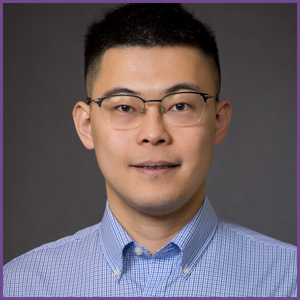
Doutora Xizhen Lian, Universidade Johns Hopkins, com o Doutor Justin Hanes
O muco espesso e pegajoso da fibrose quística pode impedir que as terapias cheguem às células a que se destinam. Os Drs. Lian e Hanes estão a desenvolver minúsculos veículos de entrega chamados nanopartículas lipídicas (NPL) especificamente desenhado para atravessar o muco e transportar terapias de edição genética diretamente para as células das vias respiratórias.
Porquê que isso importa: Ultrapassar a barreira de muco poderá ajudar a libertar terapias genéticas capazes de tratar a fibrose quística na sua origem.
 Construir um Veículo de Entrega Melhor
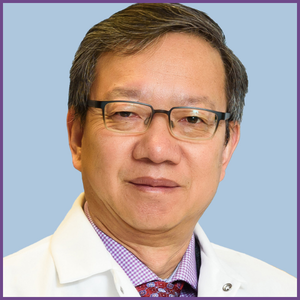
Zheng-Rong Lu, PhD, Universidade Case Western Reserve
O Dr. Lu está a desenvolver um novo tipo de LNP biodegradável concebido para transportar de forma segura e eficiente a maquinaria de edição genética diretamente para o interior das células. A equipa irá testar inicialmente a abordagem num modelo de ratinho com um parvoíce mutação, avaliando se consegue corrigir e restaurar com sucesso a função da CFTR.
Porquê que isso importa: A edição genética só pode tornar-se num tratamento viável se as ferramentas conseguirem alcançar e entrar com segurança nas células onde são necessárias. Este projeto visa ajudar a colmatar essa lacuna.
Pôr a IA a Trabalhar
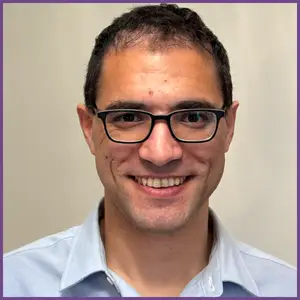
Jacob Witten, Doutor, Instituto de Tecnologia de Massachusetts
O Dr. Witten está a utilizar inteligência artificial (IA) e modelos laboratoriais avançados de biologia pulmonar para rastrear e identificar rapidamente LNP desenhadas especificamente para terapias genéticas inaladas. O objetivo é encontrar sistemas de entrega que melhorem a potência, reduzam a toxicidade e sejam capazes de penetrar o muco da fibrose quística para entregar eficazmente a sua carga terapêutica.
Porquê que isso importa: A utilização de IA para acelerar a busca por melhores sistemas de entrega permitirá aos investigadores aumentar exponencialmente o número de LNP que rastreiam, reduzindo simultaneamente o custo desses rastreios.

A ajudar as células corrigidas a fixarem-se
Sriram Vaidyanathan, PhD, Nationwide Children’s Hospital e The Ohio State University, com Kyle Cromer, PhD, University of California, San Francisco
Os Drs. Vaidyanathan e Cromer estão a desenvolver engenharia “recetores sintéticos” que conferem temporariamente às células estaminais das vias aéreas corrigidas uma vantagem de crescimento que pode ser ativada e desativada. O objetivo é ajudar essas células reparadas a crescer, repovoar e, em última análise, reparar as vias aéreas.
Porquê que isso importa: Ajudar as células corrigidas a persistir e a regenerar o tecido poderá tornar as futuras terapias baseadas em genes que restabelecem a saúde pulmonar em todas as pessoas com fibrose quística mais duradouras.
 Destruir as Defesas das Bactérias
Hugh Smyth, PhD, Universidade do Texas em Austin
O Dr. Smyth está a desenvolver uma terapia inalada para resistente à meticilina Staphylococcus aureus (MRSA) que associa um antibiótico a uma enzima dispersora de biofilme que decompõe os biofilmes protetores que as bactérias utilizam para sobreviver. A administração conjunta de ambos poderá ajudar o antibiótico a eliminar de forma mais eficaz as bactérias que podem ser potencialmente letais e difíceis de tratar.
Porquê que isso importa: Destruir as defesas da bactéria e, em simultâneo, atacá-la com um antibiótico poderá proporcionar uma forma mais eficaz de tratar infeções persistentes e potencialmente letais por MRSA.
 Fazer os Antibióticos Funcionar Novamente
David T. Pride, MD, PhD, Escola de Medicina da Universidade da Califórnia em San Diego
O Dr. Pride está a associar antibióticos a bacteriófagos — ou “fagos”, vírus encontrados no ambiente que atacam e destroem especificamente bactérias nocivas — para combater a resistência aos medicamentos Achromobacter infeções, que constituem um problema crescente em pessoas com FQ. Descobertas preliminares mostram que certas combinações de fagos e antibióticos conseguem eliminar e até voltar a sensessibilizar bactérias anteriormente resistentes aos antibióticos, independentemente da sua suscetibilidade anterior.
Porquê que isso importa: Se os fagos conseguirem ajudar a restabelecer a eficácia de antibióticos anteriormente resistentes, esta abordagem poderá criar novas opções de tratamento para pessoas que enfrentam algumas das infeções por FQ mais difíceis de tratar.
Explore todas as bolsas concedidas pela Emily’s Entourage → https://www.emilysentourage.org/awarded-grants/


