
La sopravvivenza non è mai un atto solitario
Durante il Mese della Consapevolezza sulla FC, Emily’s Entourage invita i membri della comunità della FC a condividere le loro storie. Il post del blog di oggi è dedicato a Caleigh Haber Takayama, che condivide una riflessione profondamente personale sulla vita con la FC e sulla rete invisibile di persone che la sostengono lungo il cammino.
La gente mi dice che porto bene la mia malattia.
 Ciò che non vedono sono le migliaia di mani che mi hanno sollevato fino a questo punto: i clinici che hanno studiato per decenni; i ricercatori che spingono la scienza avanti per pazienti che forse non incontreranno mai; le organizzazioni che costruiscono percorsi e rifiutano di accettare i limiti di oggi come i limiti di domani.
E poi ci sono le mani più vicine a me. Quelle che mi hanno stretto, sostenuto e si sono rifiutate di lasciar andare.
Quando le persone sentono “malattia invisibile”, pensano che significhi che non si può vedere sul mio corpo. Ma l'invisibilità va molto più a fondo di così.
Ciò che è invisibile è la rete di persone che lo portano con me. Ciò che è invisibile è il peso che reggono, le decisioni che prendono, il trauma che portano avanti, la forza che costruiscono nei momenti in cui nessuno ti prepara.
La fibrosi cistica (FC) è definita una malattia polmonare genetica, ma questa descrizione non mi è mai sembrata completa. È anche un effetto a catena. Come un sasso gettato in acqua immobile, l'impatto non si ferma a me. Si propaga verso l'esterno, raggiungendo ogni persona che sceglie di avvicinarsi, che permette che la propria vita sia plasmata dalla mia, che resta anche quando comprende cosa ciò potrebbe richiedere.
Mia madre è stata la prima persona a fare quella scelta.
Quando sono passato all'assistenza per adulti a 18 anni, tutto è cambiato. I medici hanno smesso di guardare lei e hanno iniziato a guardare direttamente me, aspettandosi risposte che non sapevo ancora dare. Ero improvvisamente responsabile di comprendere i miei farmaci, il mio stato di base, il mio corpo e le decisioni che avrebbero plasmato il mio futuro.
Allo stesso tempo, alla persona che mi aveva guidato in tutto è stato chiesto di farsi da parte.
La verità è che l'indipendenza con la FC è raramente lineare.
Più mi ammalavo, più avevo nuovamente bisogno della gente.
Quando ho raggiunto la fase terminale di una malattia polmonare a 21 anni, mio fratello Michael è diventato il mio caregiver quasi da un giorno all'altro. L'ultima volta che avevamo vissuto insieme, anni prima, la FC era solo un rumore di fondo. Comportava antibiotici per via endovenosa una o due volte all'anno, guerre con le pistole ad acqua usando le siringhe vuote. La FC non definiva ogni singolo momento.
Ma questa volta era tutto.
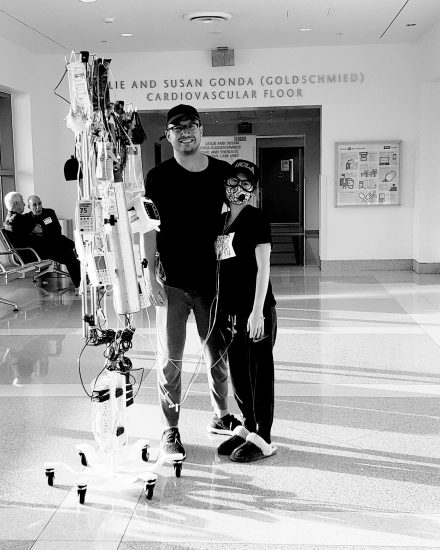 Ha imparato in tempo reale cosa significasse tenermi in vita. È diventato qualcosa che non entra in una sola parola. Caregiver. Fratello. Protettore. Decision-maker.
C'è un momento che definisce quel tempo.
Quando il mio corpo ha iniziato a cedere senza preavviso, le decisioni dovevano essere prese in pochi secondi. I medici si sono rivolti a lui e gli hanno fatto una domanda che nessun fratello dovrebbe mai trovarsi a dover affrontare.
“Intubiamo?”
Non aveva il tempo di elaborare cosa significasse. Nessuno spazio per soppesare i risultati, nessuna certezza su cosa sarebbe successo dopo. Non aveva garanzie che sarei sopravvissuto. Nessuna promessa che sarei tornato lo stesso. Il peso della mia vita era in bilico.
In quel momento ha scelto di lottare per me. E quella scelta è parte del motivo per cui sono ancora qui oggi.
Non molto tempo dopo, Bryan, che ora è mio marito, è entrato nella mia vita e ha scelto di farne parte a pieno titolo.
Lo chiama colpo di fulmine.
Ciò che ho visto è stato qualcuno che sceglieva questa vita con piena consapevolezza di ciò che avrebbe potuto richiedergli.
Non ho edulcorato la realtà della FC. È andato a farsi le sue ricerche, cercando di capirla nel modo in cui chiunque farebbe. Ma ricordo di avergli detto, tornate da me con le vostre domande perché questa malattia non si manifesta allo stesso modo per tutti.
E lo fece.
Ha ascoltato. Ha imparato. Voleva capire la mia esperienza, non solo ciò che poteva trovare online.
C'è un diverso tipo di vulnerabilità nell'essere amati quando la tua vita è incerta, nel permettere a qualcuno di vedere come appare veramente questa malattia: i ricoveri, il declino, le incognite.
Ci furono momenti in cui cercai di allontanarlo.
Ma non se ne andò.
A un certo punto, mi disse, “Anche questa è la mia vita. Lo sto scegliendo.”
E continuava a sceglierlo. Ogni singolo giorno.
 Quando sono entrata in rigore d'organo dopo il mio secondo doppio trapianto di polmoni a causa di complicazioni legate alla mia FC in stadio terminale, lui è diventato il mio assistente senza esitazione. Si è preso cura di me a casa. È rimasto seduto accanto a me durante lunghe giornate e notti ancora più lunghe. Ci siamo aggrappati a piccoli frammenti di normalità ovunque potessimo trovarli.
E quei momenti contavano.
Non importava quanto grande o piccola fosse l'attività. Eravamo semplicemente lì, insieme.
Guardando indietro, penso che stessimo vivendo alla giornata. Ma stavamo anche costruendo per il domani.
Stavamo facendo tutto il possibile per proteggere la mia salute, per creare più tempo, più possibilità, più vita davanti a noi. Bryan mi ha aiutato a prendere il controllo della mia salute in un modo che non sapevo fosse possibile. Mi ha aiutato a raggiungere un nuovo livello di responsabilità.
Non si è limitato ad aiutarmi a prendermi cura di me; mi ha aiutato a credere in ciò di cui ero ancora capace.
Nonostante tutto, mia madre e mio fratello sono rimasti al mio fianco. Siamo diventati un'unità, noi quattro. Eravamo una costellazione tenuta insieme dalla necessità, dall'amore e dal caparbio rifiuto di lasciarmi morire.
Ciò che la gente non vede è che la sopravvivenza non è mai un atto individuale. Dietro ogni persona che è ancora qui, c'è una rete di persone che sostiene il peso che non puoi portare da solo.
E c'è colpa nell'essere colui che viene portato.
Non hai chiesto questa malattia. Non hai chiesto a nessuno di riorganizzare la propria vita. Ma lo hanno fatto. E quell'amore lascia il segno su tutti.
Ma ecco cosa ho imparato.
Le persone che ti portano non lo fanno perché devono. Lo fanno perché la tua vita importa loro in un modo che ridefinisce ciò che pensavano di essere capaci di fare.
Alle famiglie che stanno vivendo tutto questo proprio ora, prendendo decisioni impossibili senza aver dormito, vi vedo.
Ai pazienti che portano il silenzioso peso di sapere quanto la vostra malattia costa alle persone che amate, vedo anche voi.
Non siamo un peso. Siamo il motivo per cui persone straordinarie possono mostrare al mondo che aspetto ha l'amore straordinario.
Questa è la realtà invisibile della FC.
Non è solo un corpo che combatte una malattia, ma una famiglia che lotta insieme, scegliendosi, ogni singolo giorno
Informazioni sull'autore:
 Una narratrice, attivista e creatrice che convive con la fibrosi cistica, Caleigh ha trascorso più di un decennio utilizzando le piattaforme digitali per condividere la sua esperienza, inclusa la vita dopo un doppio trapianto di polmoni. Attraverso il suo lavoro sui social media e la costruzione di comunità, dà visibilità alla comunità dei malati di fibrosi cistica, creando al contempo spazi di connessione, educazione e impatto.
Caleigh vive attualmente in Europa con suo marito e i loro due cani, dove continua a dedicare il suo lavoro al sostegno delle persone che conviveno con malattie rare e croniche.
Ascolta La nostra lotta per respirare, un podcast incentrato su conversazioni sincere sulla vita con la fibrosi cistica, sull'assistenza a una persona cara affetta da FC e sulla spiegazione di argomenti medici complessi in modo più umano qui.
Scopri di più sul suo lavoro visitando il suo sito web qui.


