
אמיליז אנטוראג' מעניקה את מענק המחקר התרגומי לשנת 2026 לקידום משלוח חדשני של עריכת גנים עבור סיסטיק פיברוזיס
פלטפורמת ננו-חלקיקים ליפידיים חדשנית שואפת להוביל בבטחה וביעילות עורכי גנים כדי לתקן מוטציות ב-CFTR, מה שמקרב את התחום טיפול עמיד לסיסטיק פיברוזיס
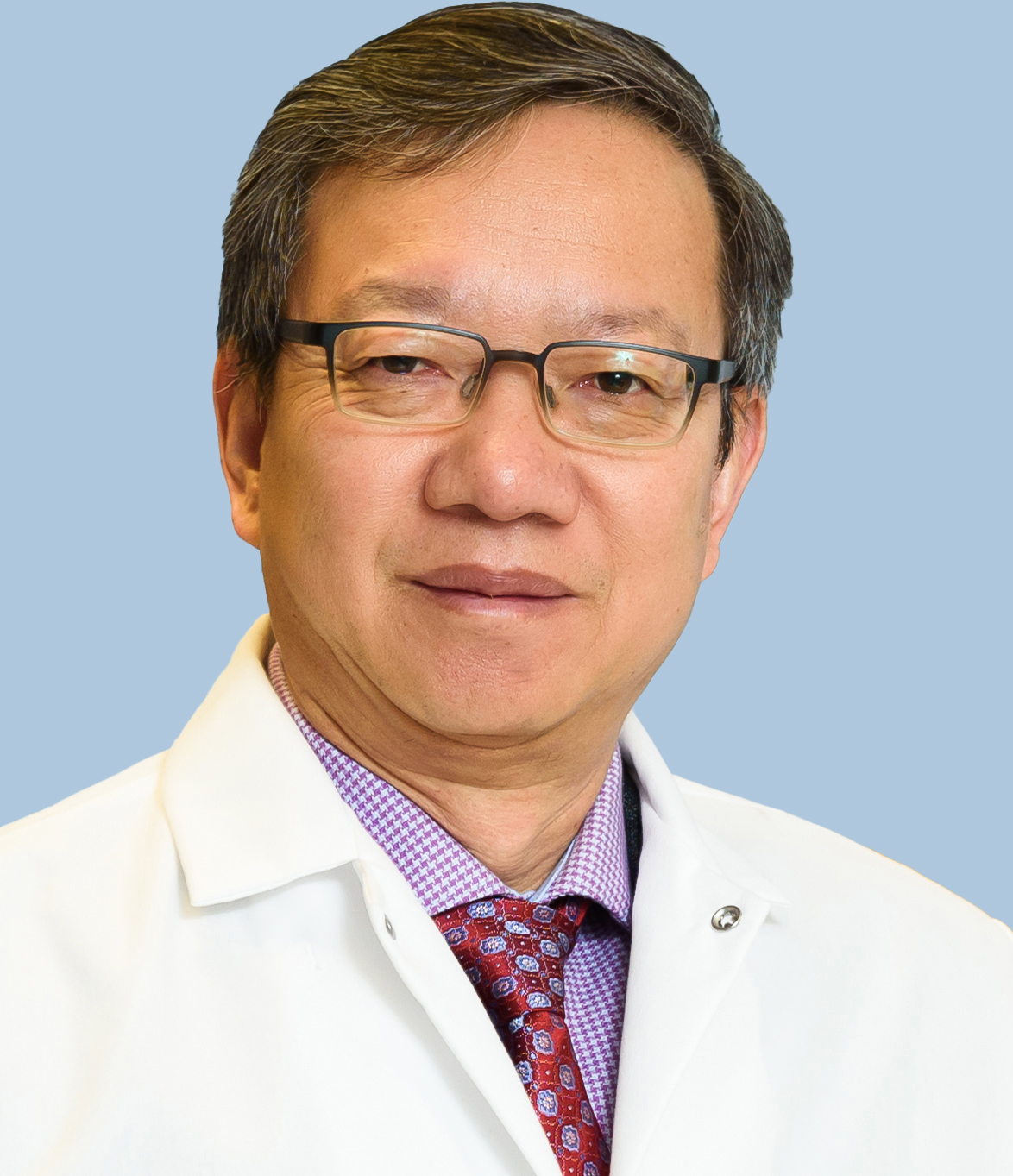
אמיליז אנטוראג' (EE) העניקה מענק מחקר טרנסלציוני חמישי לשנת 2026 לד"ר ז'נג-רונג לו (Zheng-Rong Lu), פרופסור להנדסה ביו-רפואית על שם מ. פרנק רודי ומרגרט דומיטר רודי באוניברסיטת קייס ווסטרן ריזרב.
לור מריון, פנסילבניה—8 בספטמבר 2026—אמיליז אנטוראז (EE), ארגון חדשני ללא כוונת רווח (מלכ"ר מסוג 501(c)(3)) המאיץ מחקר עבור חולי סיסטיק פיברוזיס (CF) שאינם נהנים מטיפולים נוכחיים הממוקדי-מוטציה, גאה להכריז על מענק המחקר הטרנסלציוני החמישי לשנת 2026 שהוענק לד"ר ז'נג-רונג לו, פרופסור להנדסה ביו-רפואית ע"ש מ. פרנק רודי ומרגרט דומיטר רודי באוניברסיטת קייס ווסטרן רזרב.
הפרויקט של ד"ר לו נועד לפתח פלטפורמת העברה מהדור הבא לטיפולים המבוססים על עריכת גנים — תוך התמודדות עם אחד המכשולים המשמעותיים ביותר בתחום, וסיוע במימוש הפוטנציאל הטמון בעריכת גנים כגישה טיפולית ארוכת טווח עבור אנשים הסובלים מסיסטיק פיברוזיס, לרבות אלה הנמצאים בשלב הסופי של 10%.
עריכת גנים נתפסת זה מכבר כגישה מבטיחה ופורצת דרך לטיפול בסיסטיק פיברוזיס, עם פוטנציאל לתקן את המוטציה הגנטית הבסיסית ולהשיב את תפקוד ה-CFTR לקדמותו. עם זאת, העברת כלי עריכת הגנים לתאים המתאימים בריאות בצורה בטוחה ויעילה הציבה אתגרים שהגבילו את התקדמות המחקר בתחום. פתרון אתגר זה חשוב במיוחד עבור ה-10% הסופי, לאור הפוטנציאל שלו לטפל בגורם השורשי של המחלה ולספק תועלת טיפולית מתמשכת לכל המוטציות של סיסטיק פיברוזיס.
המחקר של ד"ר לו מתמקד בהתגברות על מכשול זה באמצעות פיתוח של חלקיקי ננו מבוססי ליפידים יוני-זبيביים רב-תכליתיים (LNPs) – נשאי משלוח מהונדסים שנועדו להוביל כלי עריכה גנטית ישירות לתוך התאים. בעוד ש-LNPs כבר משמשים בבטחה ביישומים כגון חיסוני mRNA, התכשירים הקיימים אינם מותאמים למשלוח של עורכי גנים מבוססי חלבון עבור מחלות כמו סיסטיק פיברוזיס (CF).
פרויקט זה מציג מחלקה חדשה של חלקיקי ליפידים ננומetricיים (LNPs) מתכלים ביולוגית, המתוכננים במיוחד כדי להתמודד עם מגבלות אלו. בניגוד לגישות המבוססות על DNA או mRNA, פלטפורמה זו מעבירה מנגנון עריכת גנים בצורה של ריבונוקלאופרוטאינים (RNPs), אשר אינם דורשים ביטוי של חומר גנטי זר ועשויים להפחית את חששות הבטיחות הקשורים לפעילות גנית ממושכת או בלתי מבוקרת.
החלקיקים הננו-טכנולוגיים שפותחו לאחרונה מתוכננים להיות יציבים בסביבות מימיות, להימנע משימוש בממיסים אורגניים קשים, ולהתפרק לרכיבים תואמים ביולוגית בגוף. מחקרים מוקדמים מציעים כי חלקיקים ליפידיים ננו-מטריים (LNPs) אלו יכולים להשיג אספקה תוך-תאית ועריכה גנטית יעילות יותר במינונים נמוכים יותר, תוך הפגנת פרופילי בטיחות משופרים בהשוואה למערכות קודמות.
באמצעות פלטפורמה זו, הצוות של ד"ר לו ימטעל את אספקת עורכי הגנים המכוונים למוטציות ב-CFTR, תוך התמקדות ראשונית במוטציה W1282X במודלים פרקליניים הזמינים באוניברסיטת קייס ווסטרן רזרב. הפרויקט יעריך הן את יעילות עריכת הגנים והן את שחזור התפקוד של CFTR, במטרה לזהות מועמד טיפולי מוביל להמשך פיתוח טרנסלציוני. על ידי אפשור אספקה יעילה יותר של עורכי גנים, גישה זו עשויה לקרב את התחום לטיפולים המטפלים ב-CF בשורשו.
“לעריכה גենית יש פוטנציאל לשנות מהיסוד את האופן שבו אנו מטפלים ב-CF, אך רק אם נוכל לספק טיפולים אלו בבטחה וביעילות,” אמרה ד“ר לו. ”עבודה זו מתמקדת בפיתוח מערכת אספקה שיכולה להפוך זאת לאפשרי, במיוחד עבור אנשים עם CF שאין להם כיום אפשרויות טיפול."
כ-10% מהחולים בסיסטיק פיברוזיס (CF) נושאים מוטציות גנטיות שאינן מתאימות למודולטורים הקיימים של CFTR. EE מחויבת להאיץ את המחקר ופיתוח הטיפולים עבור כל האנשים שאינם מפיקים תועלת מטיפולים אלה, כדי להבטיח שאף אחד לא יישאר מאחור.
“"פרויקט זה מתמודד עם אחד האתגרים הקריטיים ביותר בתחום: יישום", אמר ד"ר צ'נדרה גוס, המנהל המדעי הראשי ב-EE. "בכך, יש לו פוטנציאל לסייע בהפיכת עריכת הגנים למסלול טיפולי אמיתי — לא רק בתיאוריה, אלא גם בפועל — עבור אנשים הסובלים מסיסטיק פיברוזיס, כולל המשתתפים בשלב הסופי של ניסוי 10% שעדיין ממתינים לטיפול שיטפל בגורם השורשי למחלתם."”
על תוכנית המענקים של אמילי הפמליה (EE's).
תוכנית המענקים של אמיליז אנטורג' (EE) מספקת מימון להאצת מחקר ופיתוח טיפולי עבור אנשים עם סיסטיק פיברוזיס (CF) שאינם נהנים מטיפולים קיימים הממוקמים לפי מוטציה. EE תומכת במגוון מנגנוני מימון, כולל מענקים תרגומיים, מענקים שיתופיים ומענקים אקספלורטוריים של שלב טרום-קליני, וכן השקעות בפילנתרופיה סיכונית.
עד כה, EE העניקה מיליוני דולרים לצוותים רב-תחומיים ברחבי העולם ועזרה לגייס מיליונים נוספים במימון המשך. לצפייה במענקים שניתנו, בקרו ב- https://www.emilysentourage.org/awarded-grants/. למידע נוסף על הזדמנויות המימון של EE, בקר https://www.emilysentourage.org/funding-opportunities/.
על הפמליה של אמילי
Emily’s Entourage (EE) הוא ארגון חדשני בעל מעמד 501(c)3, המאיץ את המחקר לפיתוח טיפולים חדשים ותרופה לאנשים הנמצאים בשלב הסופי של מחלת הסיסטיק פיברוזיס (CF), שאינם מפיקים תועלת מהטיפולים המותאמים למוטציות הזמינים כיום. מאז 2011, EE העניקה מענקי מחקר בסך מיליוני דולרים, הקימה חברה לטיפול גנטי בסיסטיק פיברוזיס הנמצאת בשלב הקליני, פיתחה את מאגר המטופלים "Clinical Trial Connect" (CTC) ואת תוכנית השידוכים לניסויים קליניים כדי להאיץ את הגיוס לניסויים קליניים ברחבי העולם, והובילה מאמצים עולמיים לקידום מחקר ופיתוח תרופות בעלי השפעה רבה. הארגון זכה לסיקור בתקשורת הארצית, כולל ב"ניו יורק טיימס", STAT, CNN, "People" ועוד. למידע נוסף, בקרו באתר emilysentourage.org.
קשר מדיה
חנה קלקנר
מנהל תחום שיווק ותקשורת
hannah@emilysentourage.org


